The Proven 10 Early Signs Of Joint Pain In Women You Need To Know

Joint Pain In Women is more common than most people realize, and it often shows up with subtle warning signs before becoming a daily struggle. Many women dismiss these early symptoms as stress, aging, or fatigue, but identifying them early can make a huge difference in long-term health. Knowing the signs of joint pain in women can empower you to take proactive steps toward better mobility, comfort, and overall well-being. In this article, we’ll explore the 10 proven early signs of joint pain in women you need to know.
1. Persistent Stiffness in the Morning
One of the earliest indicators of joint pain in women is morning stiffness that lingers longer than 30 minutes. This stiffness can make it difficult to move, bend, or stretch upon waking up, often linked to conditions like arthritis or inflammation.
2. Swelling Around the Joints
Swelling is a visible red flag. If your fingers, knees, or ankles appear puffier than usual, it could be an early sign of underlying joint inflammation. Ignoring this symptom can allow the problem to worsen silently.
3. Reduced Range of Motion
When movements like raising your arms, bending your knees, or turning your neck feel restricted, it may indicate the onset of joint issues. A limited range of motion is one of the subtle yet important early signs of joint pain.
4. Aching After Physical Activity
While mild soreness after exercise can be normal, recurring aches after light activity—such as walking or climbing stairs—should not be overlooked. This repeated discomfort is often associated with early joint pain in women.
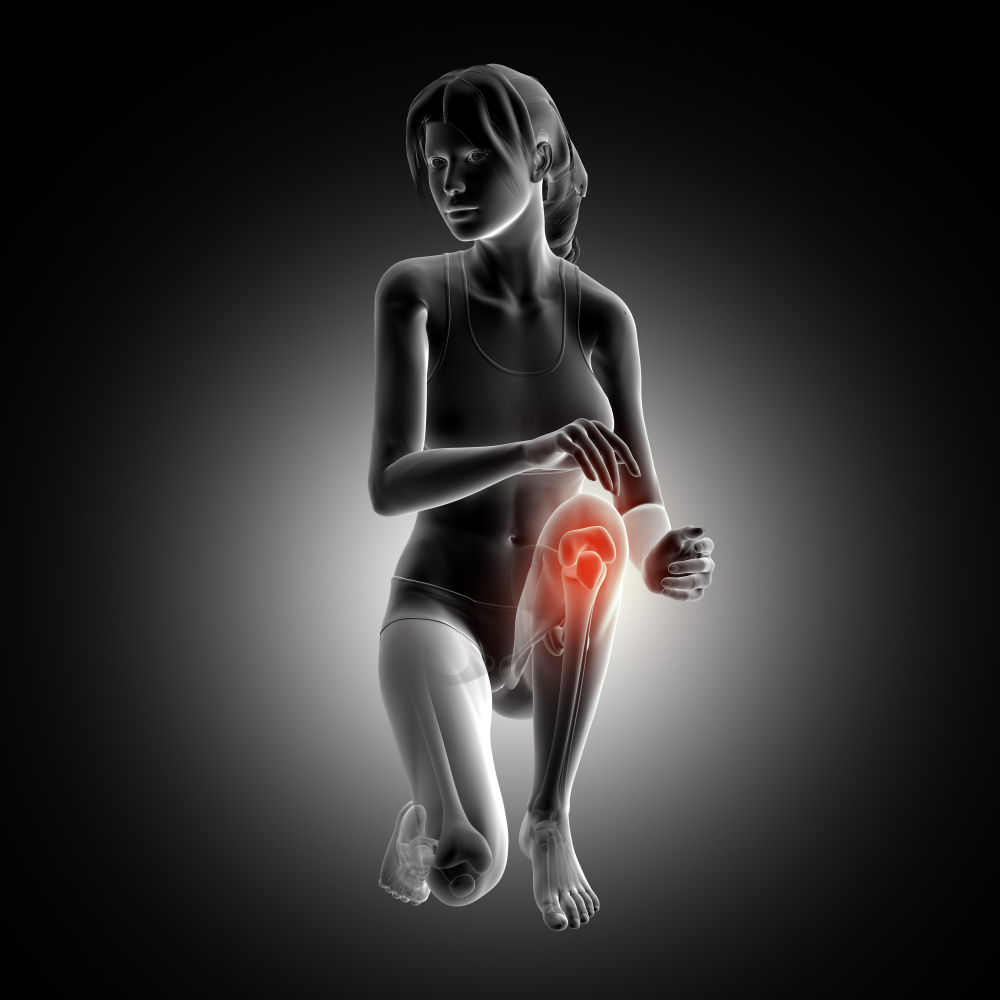
5. Joint Tenderness
If pressing around your knees, elbows, or wrists causes discomfort, you may be experiencing tenderness—another symptom of developing joint pain in women. Tenderness often signals inflammation or cartilage wear and tear.
6. Clicking or Popping Sounds
Hearing clicking, cracking, or popping sounds when moving your joints is not always harmless. When paired with discomfort, these noises may indicate cartilage breakdown, which is a contributing factor to joint pain.
7. Sudden Weakness in the Muscles
Muscle weakness surrounding the joints can make everyday tasks—like lifting groceries or climbing stairs—more challenging. This weakness often develops alongside joint pain in women and can signal early degenerative changes.
8. Warmth Around the Joints
When your joints feel unusually warm to the touch, it could be a sign of inflammation or infection. Warmth is one of the body’s ways of signaling that something is wrong, making it an essential early warning for joint pain in women.
9. Fatigue and Low Energy Levels
Chronic fatigue often accompanies joint issues, especially autoimmune conditions like rheumatoid arthritis. Feeling drained without explanation can be linked to joint pain in women, even before severe pain sets in.
10. Difficulty Performing Daily Activities
Struggling with everyday tasks—like opening jars, writing, or bending down—may indicate worsening joint health. This subtle but impactful change is a hallmark of joint pain in women, often ignored until it becomes more severe.
Why Early Detection Matters
Catching these symptoms early can help women slow down joint damage, manage inflammation, and maintain a high quality of life. Early recognition of joint pain in women allows for interventions such as physical therapy, supplements, exercise, or medical treatments that prevent further decline.
Practical Tips for Managing Early Joint Pain in Women
- Stay Active: Gentle exercises like swimming, yoga, and walking keep joints flexible.
- Maintain a Healthy Weight: Extra weight increases pressure on the joints, worsening pain.
- Anti-Inflammatory Diet: Foods rich in omega-3, antioxidants, and whole grains can reduce inflammation.
- Supplements: Natural support like glucosamine, chondroitin, and collagen may help strengthen joint health.
- Medical Checkups: Don’t ignore persistent pain—early medical advice can make a lasting difference.
Final Thoughts
Recognizing the proven 10 early signs of joint pain in women is the first step toward prevention and treatment. By listening to your body and paying attention to symptoms like stiffness, swelling, tenderness, and fatigue, you can address problems before they become serious. Joint pain in women doesn’t have to steal your comfort or mobility—awareness and action can help you win the battle for healthier joints.


Comments
Post a Comment